

Recent clarifications from U.S. Customs and Border Protection (CBP) officials are sending ripples through the yachting industry, particularly regarding visa regulations for non-U.S. crew members. A recent conference, attended by one of our crew, shed light on crucial points that all crew, captains and management companies need to understand to avoid potential legal pitfalls. Here’s a breakdown of the key takeaways, expanded with in-depth research and context:
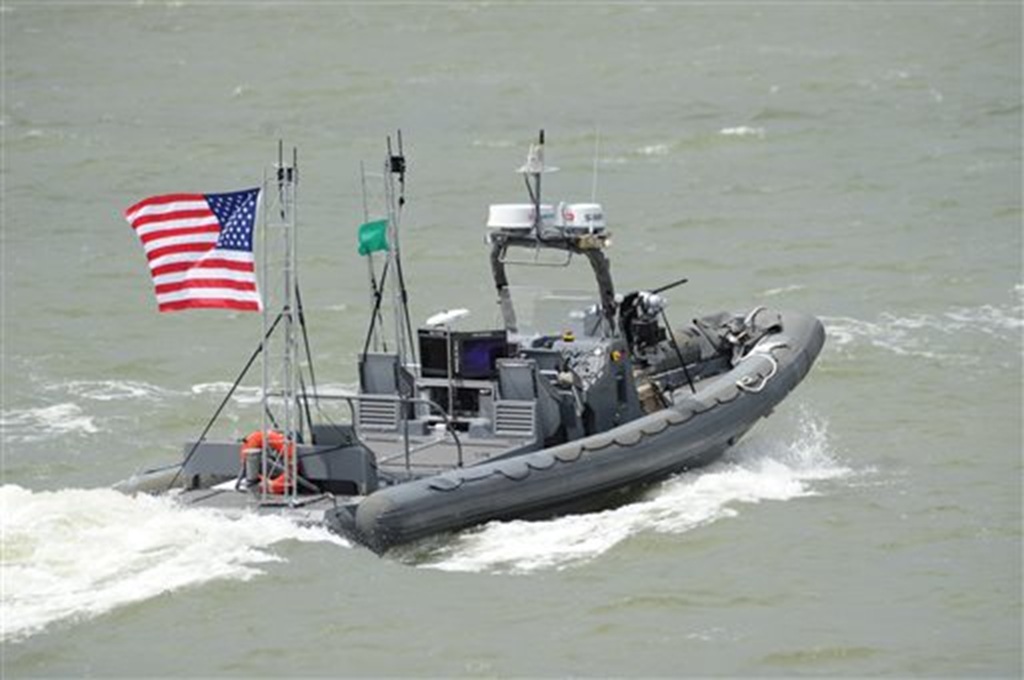
U.S.-Flagged Vessels in U.S. Waters: A Clear Red Line
The most critical point emphasized was the strict prohibition against non-U.S. crew members working on U.S.-flagged vessels while they are within U.S. waters. This applies regardless of how they are paid (even through a foreign entity) or their onboard role.
- The Rationale: “You are taking away a US person’s job,” the CBP officer stated firmly, underscoring the protectionist stance of U.S. labour laws.
- Consequences: Violating this rule can lead to immediate deportation.
- Permitted Actions: Non-U.S. crew are allowed to enter the U.S. aboard a U.S.-flagged vessel. However, all work must cease immediately upon entering U.S. waters. They can’t perform their normal duties until the vessel is back in international waters.
B-1 Visas: Foreign-Flagged Vessels Only
A B-1 visa is often used by yacht crew to enter the U.S. for specific purposes. The conference made it abundantly clear that B-1 visas are exclusively for work on foreign-flagged vessels.
- B-1 Limitations: Key limitations to B1 Visa holders include:
- B1 Visa holders must provide evidence of their intent to return to their country of origin when their temporary stay in the United States ends.
- B1 visa holders generally cannot obtain employment with a U.S. employer.
- B1 Visa holders can partake in limited activities in the USA with this B1 visa
- A particularly sensitive area is when a foreign-flagged vessel is “on the hard” – in a shipyard for maintenance. CBP confirmed that B-1 visa holders cannot perform work on the boat in this situation. Their role is limited to supervising American workers. Direct involvement in repairs or maintenance can result in deportation. The crucial distinction is that B-1 work is permitted only when the foreign-flagged vessel is in the water.
- If a B-1 visa holder quits, is fired, or leaves a boat in the U.S., they are permitted to join another foreign-flagged vessel while their B-1 visa is still valid and they haven’t overstayed. However, transparency is key. They must be prepared to demonstrate the legitimacy of their intentions.
- Daywork on anything (US or Foreign flag) is not allowed for non-US on a B1 Visa
- If a captain holds an MCA license but becomes a U.S. citizen, they are not permitted to use that MCA license on a U.S.-flagged boat. They must obtain the appropriate U.S. Coast Guard credentials.
Intentions Matter: Transparency and Documentation
CBP officers have broad discretionary powers to determine admissibility at the port of entry. A critical factor is assessing the applicant’s genuine intentions.
Never misrepresent your reason for entering the U.S. Stating you are “joining a vessel” or “coming for an interview” when the actual intention is to stay in a crew house and look for work is a serious violation.
The more documentation you can provide to demonstrate your legitimate intentions, the better. The officer at the conference explicitly stated they “love to see all the paperwork and evidence.” This includes:
-
- Official letters from captains
- Vessel documents (flag and registration)
- Crew lists
- Proof of the yacht’s intentions in U.S. waters (cruising itineraries, yard contracts, etc.)
- Cruising permits
CBP officers are permitted to examine electronic devices, including phones, to assess intentions. This has come to light on numerous occasions with border entries and officials inspecting documentation. However, officers can only search a phone in airplane mode, they cannot browse the internet on your device or search your personal files. They are looking for evidence contradicting your stated purpose for entering the U.S.
Besides immigration-related concerns (plans to stay illegally, etc.), officers may also be looking for evidence of illegal activities. The extent of your right to refuse a search is complex and depends on the specific circumstances. It’s vital to be aware of your rights, but refusing a search could raise suspicions and potentially complicate your entry.
If you are asked to open your phone, and you can do so, it may expedite the process, be co-operative but also be aware of your rights to decline.
Employment Authorization Document (EAD): Not a B-1 Solution
The conference also touched on Employment Authorization Documents (EADs), often called “work permits.” It’s crucial to understand their limited applicability to B-1 visa holders. Generally, B-1 visa holders are not eligible for EADs. While there might be rare exceptions for certain B-1 non-immigrant visitors, this is not the standard. Although EADs issued in the past typically had a validity of one to two years, recent policy updates have extended the maximum validity period to up to five years for certain categories. This may be relevant for non-U.S. B-1 workers on U.S. flag vessels that must come in to get work done.
This information was thought to be regarding workers on US flag vessels that are based in the Caribbean that require work done on the vessels in US waters. This is still a very grey area because you cannot work on the vessel as soon as it enters US waters.
I-512 Form: Advance Parole for Pending Immigrants
During the seminar, the officer mentioned a I-512 form. This is relevant for individuals who are in the process of becoming legal permanent residents.
Form I-512, an application for advance permission to re-enter as a non-immigrant, allows individuals with pending immigration applications (like adjustment of status) to travel outside the U.S. and return without jeopardizing their application. This is commonly known as “Advance Parole.”
It is crucial to understand that Advance Parole is not a substitute for a visa. It is specifically for those already in the process of adjusting their status within the U.S.
Conclusion: Compliance is Key
The message from the CBP was unequivocal: Strict adherence to U.S. immigration laws and regulations is paramount. Vague interpretations or attempts to circumvent the rules will likely result in serious consequences.
By understanding these updated guidelines and ensuring full compliance, captains, crew, and management companies can navigate U.S. waters with confidence and avoid costly disruptions. This is important for all parties concerned to be fully aware of.
Disclaimer: This article provides general information and should not be considered legal advice.