

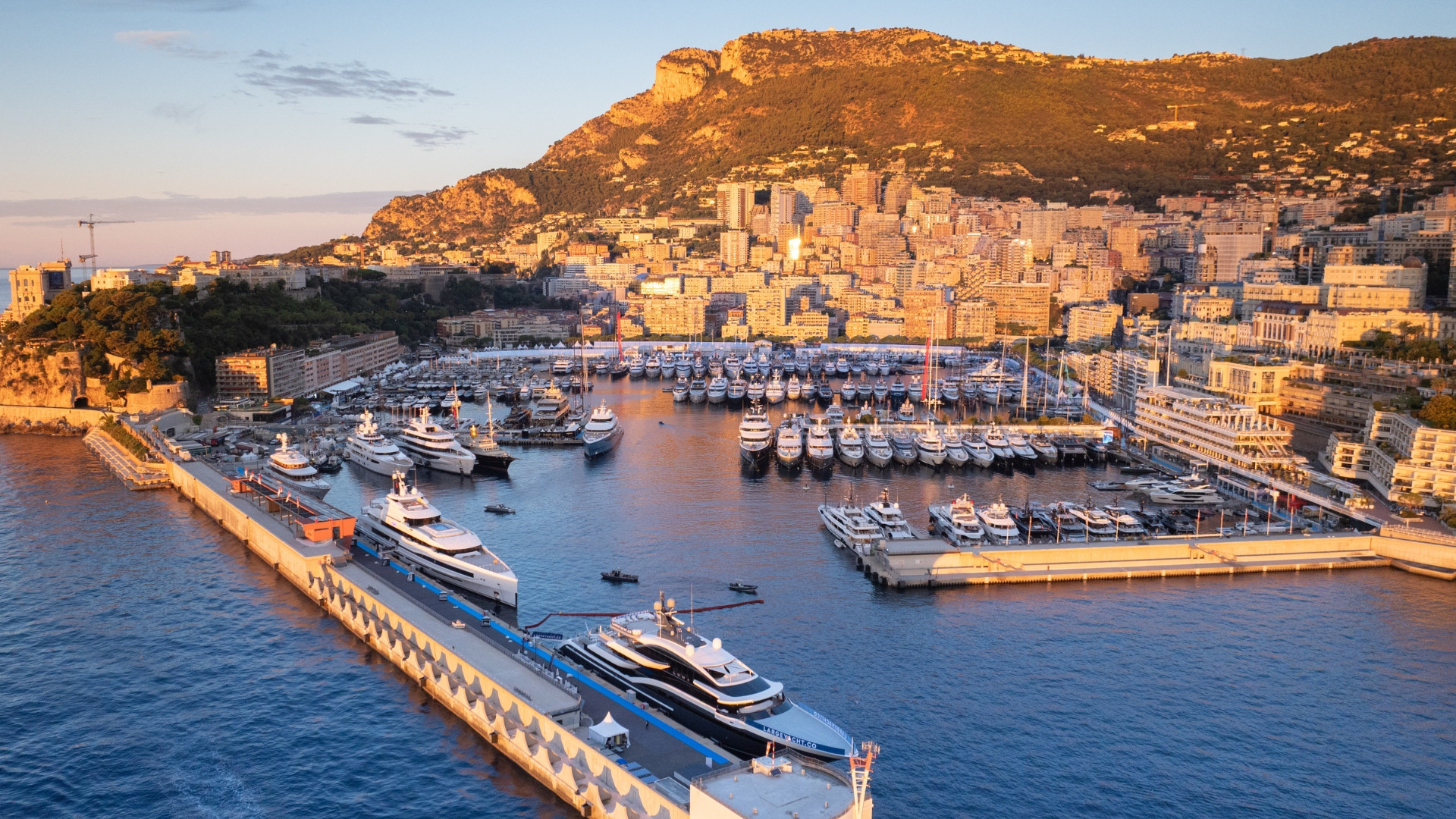
Every September, Port Hercule fills up with the largest concentration of superyachts, brokers, suppliers and crew anywhere in the world. For crew , especially those between jobs, the Monaco Yacht Show carries a mythology: the place where careers are made over a glass of rosé on the aft deck. The reality is more nuanced, and worth understanding before you spend money on flights and a bed in a shared apartment.
What to Actually Expect
The show itself is a trade event, not a recruitment fair. The docks are dominated by brokerage, sales, refit yards, shipyards and equipment suppliers. Yachts on display are in immaculate, high-pressure showing condition, and the crew aboard them are working some of the hardest days of their year. This means long hours, constant tours, and captains who are focused entirely on prospective clients.
A few things surprise first-timers:
- Access is tighter than the rumours suggest. Entry to the docks requires a paid ticket or an invitation, and boarding a yacht generally requires an appointment through a broker. You cannot simply walk up the gangway with a CV.
- The town is at capacity. Accommodation prices multiply, and many crew stay in Nice, Beausoleil, or Ventimiglia and commute in.
- The real activity happens off the docks. Supplier stands, hotel bars, terraces and the various parties hosted by management companies, crew agencies and brands are where conversations actually take place.
- It is expensive. Between the ticket, travel, accommodation and the social side, a few days can easily run into four figures.
Is It Worthwhile If You’re Unemployed?
Honest answer: it depends entirely on where you are in your career.
It tends to be worth it if:
- You already have sea time and references, and you’re looking to move up or sideways into a better programme.
- You’re a department head, engineer, or hold specialist tickets — these roles are often filled through personal recommendation and being physically present matters.
- You have existing contacts in the industry you can arrange to actually meet, rather than hoping to bump into.
- You can combine it with other business like agency meetings, interviews already in the diary, certification, or a look at the autumn Med-to-Caribbean crossing market.
It’s likely poor value if:
- You’re green with no sea time. Green crew are rarely hired at the show, and the money is far better spent on a few weeks of dockwalking in Palma or Fort Lauderdale where the hiring actually happens.
- You’re going purely on the hope of being “spotted.” That is not how the show functions.
- Your budget is tight enough that the trip would compromise your ability to stay in a hiring port for the following month.
There’s also a timing consideration. Monaco falls at the tail end of the Med season, when many yachts are winding down, crew changes are being planned for the winter, and rotational decisions for the following year are being made. That makes it a good moment for conversations about future roles, not so much for an immediate start.
Is the Networking Cliquey?
Somewhat, yes, but it’s more accurately described as tiered than closed.
There are effectively several parallel shows happening at once. There’s the owner-and-broker layer, which is almost entirely inaccessible and not your target anyway. There’s the supplier and management company layer, which is genuinely open and commercially motivated to talk to you. And there’s the crew layer, which is large, sociable, and remarkably easy to enter.
The perception of cliquiness usually comes from watching established groups. Captains who’ve known each other for fifteen years, agency staff with full appointment diaries, and assuming the whole event works that way. It doesn’t. Most people in yachting arrived without connections and remember what that felt like.
What genuinely doesn’t work is approaching a busy captain mid-showing or pitching yourself hard in a social setting. What does work is being useful, curious and pleasant in low-pressure environments. Suppliers’ stands are the most underrated networking asset at the show: the people staffing them talk to dozens of captains and chief stews a week and often know exactly who’s short-staffed.
Practical Tips
Before you go
- Contact crew agencies weeks ahead and ask whether they’re attending and whether they’ll take meetings. Many will, but their diaries fill fast.
- Message every contact you have, even loosely, to say you’ll be in town. This single step generates most of the value people get from the show.
- Get your paperwork in order: current CV as a PDF, valid tickets, references contactable. Have it on your phone, ready to send in seconds.
- Book accommodation early and outside Monaco. Check the train timetable. The last train back matters.
On the ground
- Dress the part. Smart-casual, closed shoes, nothing loud. You’ll be walking a lot in heat, so plan accordingly.
- Carry a small physical card with your name, role, tickets and contact details. It’s dated, but it survives a night out better than a phone exchange.
- Don’t hand out paper CVs on the docks. Ask for an email address and follow up the same evening while you’re memorable.
- Work the supplier halls and stands, not just the yachts. Provisioners, uniform companies, laundry services, agents and management firms are all worth ten minutes.
- Attend the parties but treat them as work. One drink, good conversation, early exit beats being the person everyone remembers for the wrong reason. Yachting is a small industry with a long memory.
- Be specific when you introduce yourself. “Second stew, three seasons, looking for a private programme with rotation” is a hundred times more useful than “looking for anything.”
Afterwards
- Follow up within 48 hours. This is where most crew fail entirely. A short, polite message referencing your actual conversation converts far better than anything you did at the show.
- Keep a simple record of who you met and what was said. It compounds year on year.
The Bottom Line
Monaco is a relationship show, not a hiring show. If you already have something to offer and a plan for who you want to meet, it can accelerate your career meaningfully. If you’re hoping the event itself will do the work for you, you’ll come home poorer and slightly disillusioned.
For unemployed crew with experience: go, but go with a diary, a budget and a follow-up plan. For those just starting out: save the money, get to a working port, and come to Monaco next year with sea time behind you and a reason for people to remember your name.